Italy · Sardinia
Costa Smeralda, Sardinia
Sardinia's emerald coastline, built for the yacht set.

In season · June · September
Almost nothing on this coast is old. Granite is, and the scrub is, but the villages are not: this stretch of north-east Sardinia was grazing land and cart tracks until a development consortium assembled it in the early 1960s and set about inventing a resort coastline from scratch. What they invented is still running, and the original brief is still legible from the road.
Stays · Costa Smeralda, Sardinia
Where to stay
Splurge
COLONNA RESORT, a Colonna Luxury Beach Hotel, Porto Cervo
five-star beachfront resort
A resort on the water at Cala Granu, north of Porto Cervo, with a private beach area, a spa carrying a hammam and steam room, and pools indoors and out. Low granite buildings turned towards the sea, in the coast's own idiom.
private beach areabeachfrontspa and wellness centrehammamsteam room
Rates on request
Mid-range
Dolce Vita Boutique Hotel
four-star boutique hotel
A boutique hotel a short way inland from Porto Cervo, with a spa and treatment rooms, a pool and pool bar, a tennis court and a desk that arranges the water sports. Near enough to the marina for dinner, far enough off it to be quiet.
spa and wellness centreoutdoor poolpool bartennis courtfitness classes
Rates on request
Good value
Hotel Il Piccolo Golf
three-star hotel
A modest hotel at Cala di Volpe with a seasonal pool, a garden and parking, sitting in the middle of an expensive stretch of this coast. What it buys is the position and the beaches rather than the frontage.
seasonal outdoor poolgardenfree parkingair conditioningconcierge service
Rates on request
Search every stay in Costa Smeralda, Sardinia with your datesCompare prices on Trip.com
Looking for a private house rather than a hotel? Tell the desk your dates and your party.
Booking links are affiliate links: if you book through one, we may earn a commission at no extra cost to you. Map data © OpenStreetMap contributors.
Experiences · Costa Smeralda, Sardinia
Worth booking ahead

Private boat charter · Splurge
Private Boat Tour La Maddalena Corsica or Costa Smeralda
with 2Seasons
A boat held for your own party with a local skipper, taking either the Maddalena archipelago, the harbours of southern Corsica or the Costa Smeralda coastline, with the route settled between you on the day. Swimming and snorkelling stops wherever the water suits.
7 hoursPrice on request

Small-group sightseeing · Mid-range
Small Group Costa Smeralda P. Cervo San Pantaleo Sardinia ITALY
A small-group run along the coast and up to the granite village inland, taking in Porto Cervo and San Pantaleo. The land half of this coast, which most visitors never get to.
5.5 hoursFrom €109 a person · checked September 2026

Small-group cruise · Good value
La Maddalena Archipelago Boat Tour from Palau
A full day among the islands off the northern tip, sailing out of Palau with swimming stops in the channels between them. The archipelago is why this coast looks the way it does, and this is an inexpensive way onto it.
7 hoursFrom €53 a person · checked September 2026
Booking links are affiliate links: if you book through one, we may earn a commission at no extra cost to you. Prices are as checked on the date shown and vary with party size and season.
A coastline with a rulebook
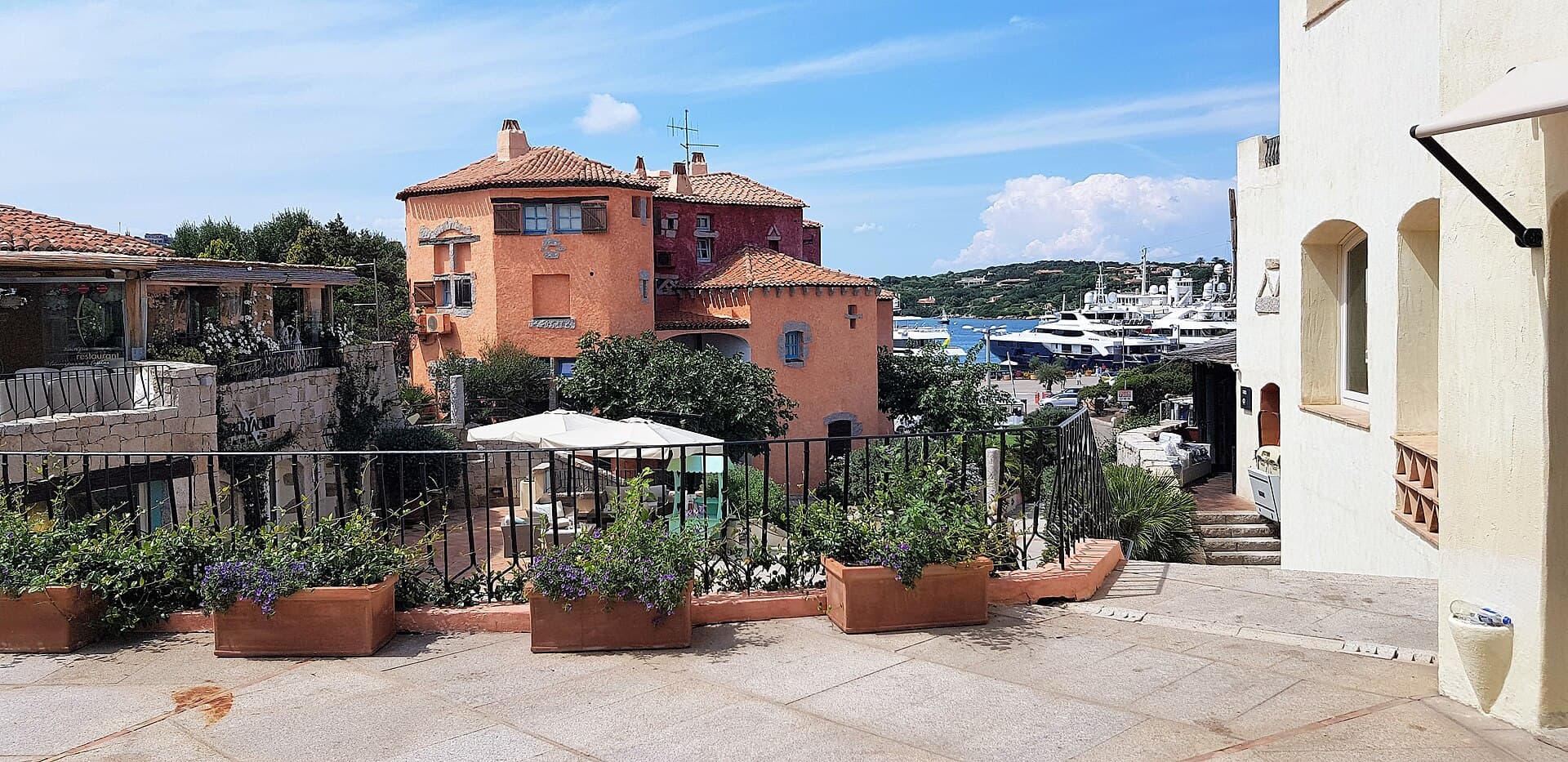
Design control shaped the Costa Smeralda. The consortium wrote rules and enforced them: nothing tall, nothing that read as a hotel block, no billboards, cables buried, colours held to the range the landscape already used. Architects were pushed towards an invented vernacular of rounded corners, rough render, tiled roofs, timber and wrought iron — something that looked like an old Sardinian village and had never existed anywhere on the island.
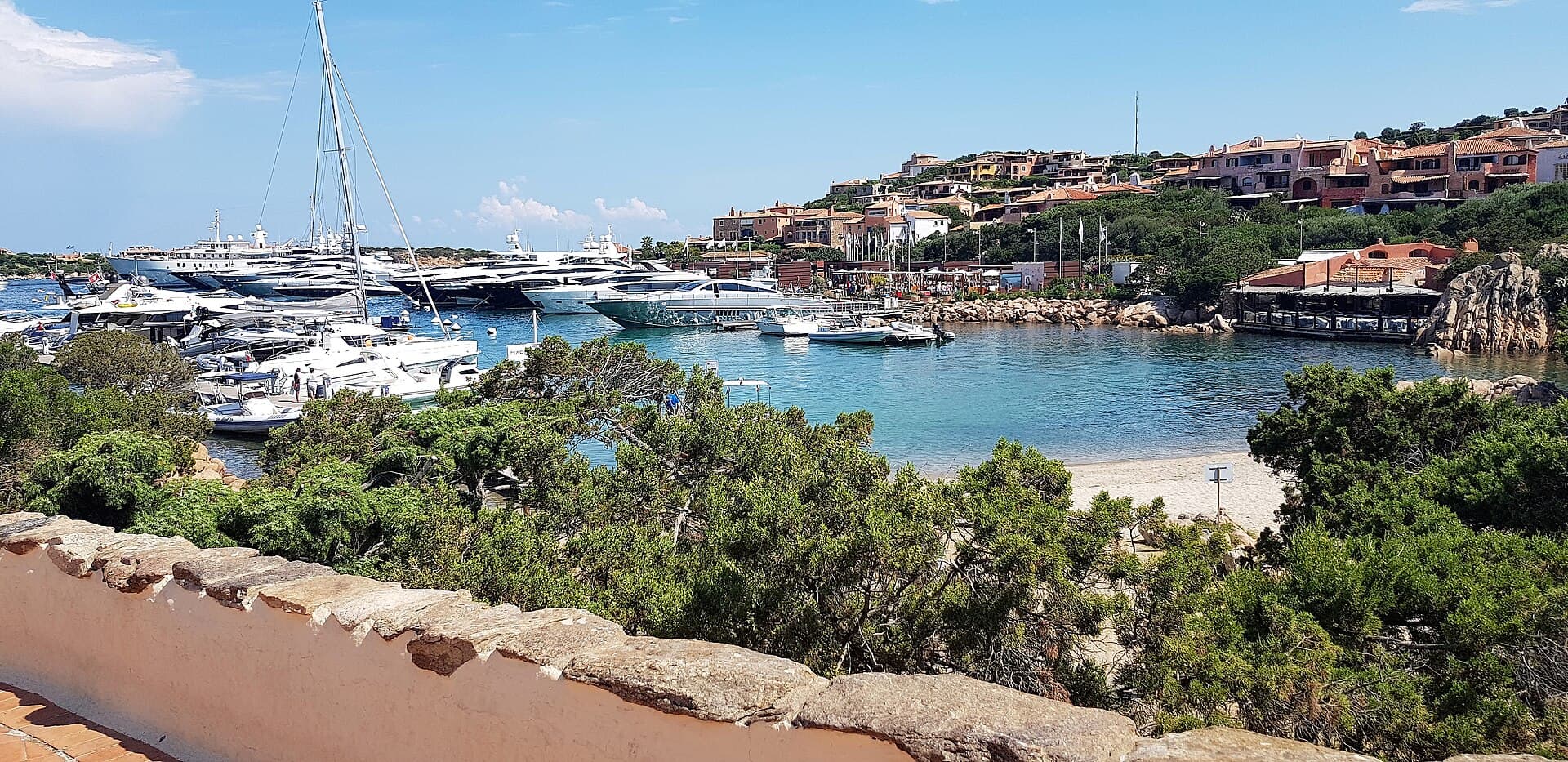
Judged as authenticity that is a fraud. Judged as planning it is a considerable success: six decades on, the coast has no ribbon of towers and very little visual noise, and Porto Cervo still reads as a low huddle of pale buildings around a marina rather than a town — which is precisely what it is.
What the granite decides
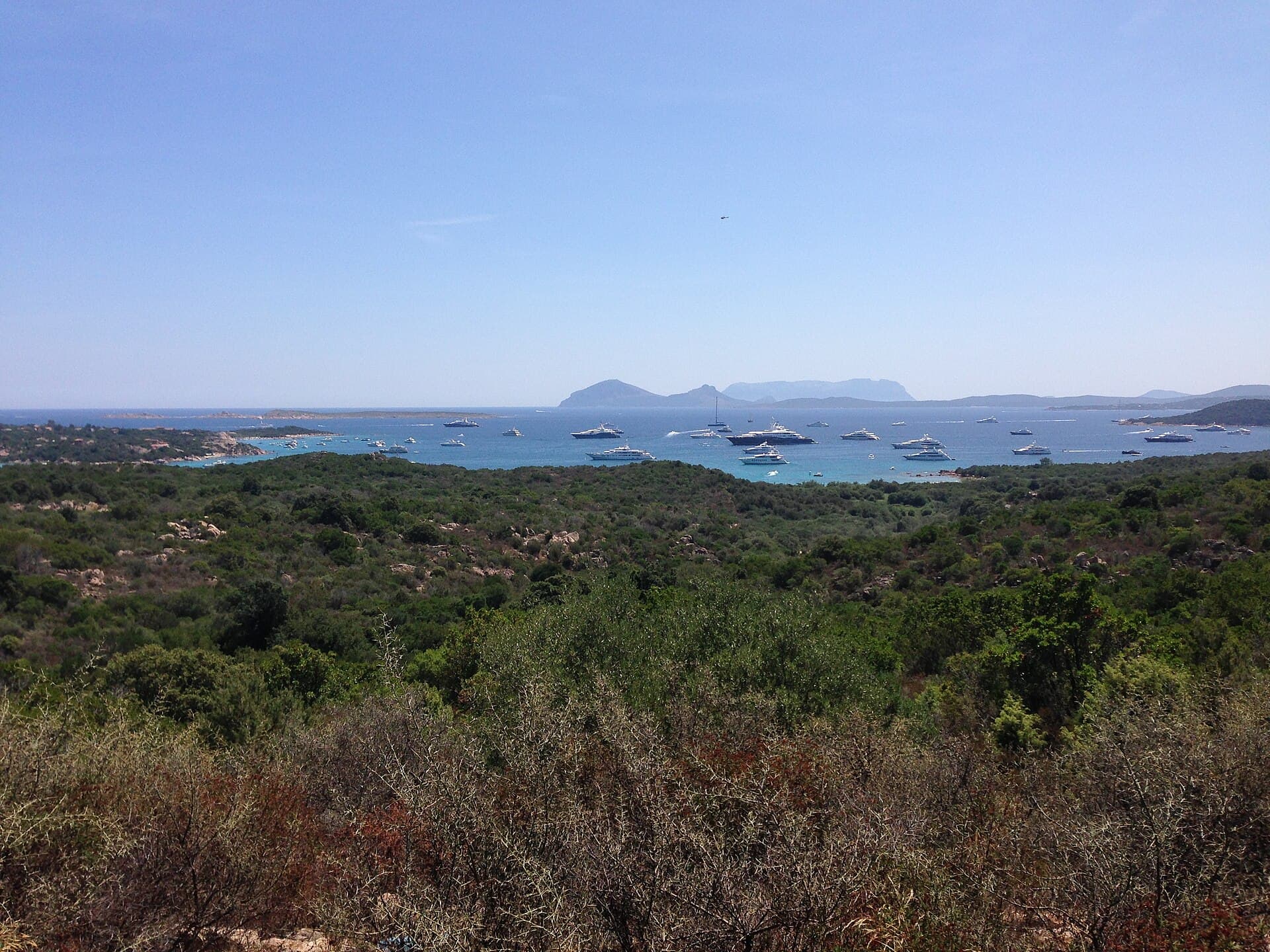
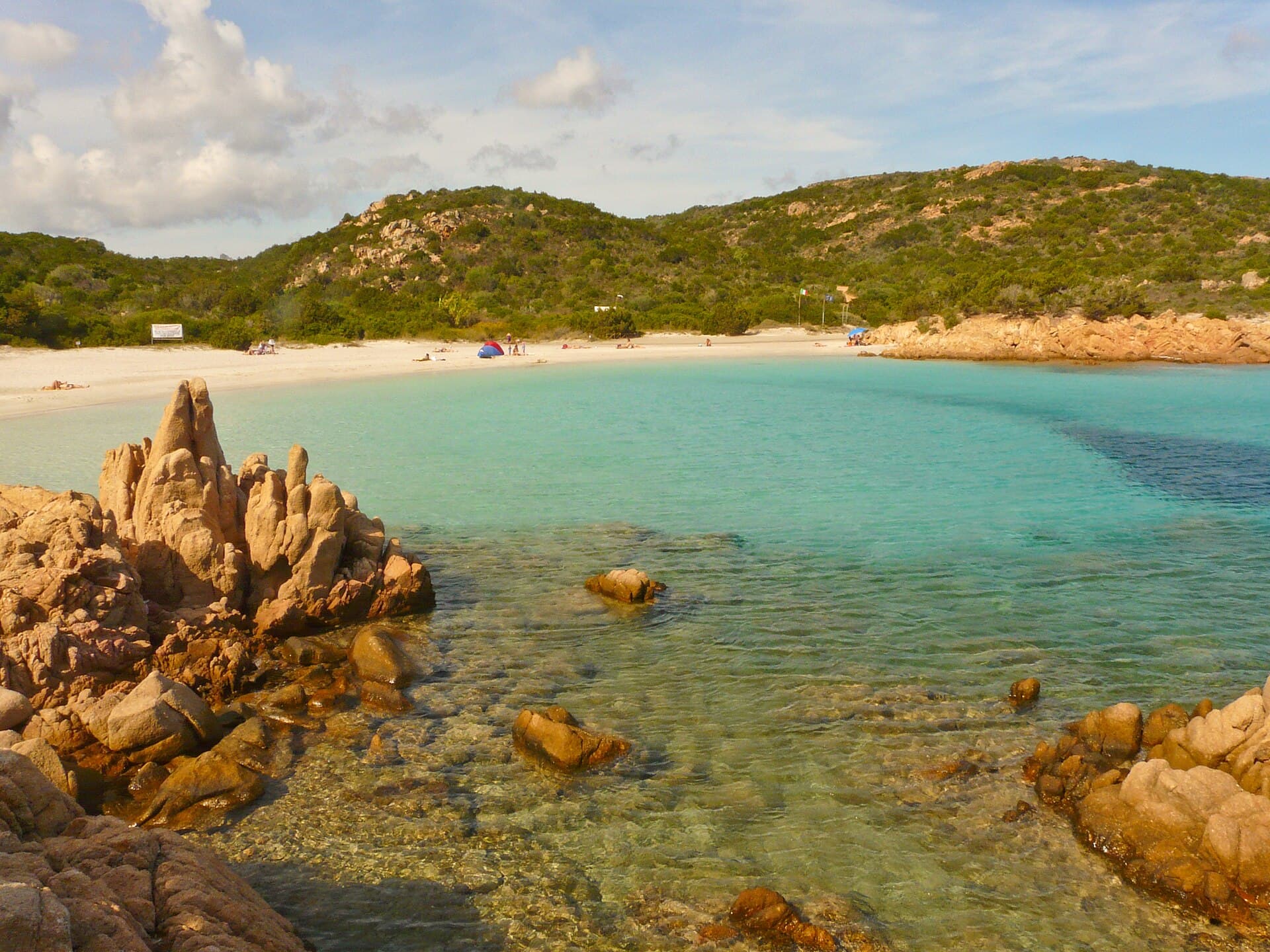
Coastline here is granite worn into rounded shapes, with maquis scrub growing to the edge and water running from clear to a hard turquoise over pale sand. That sand is eroded granite, which is why it is so light, and part of why the sea takes the colour it does: no river mouths nearby, little in suspension, nothing much to cloud it.
Shape matters as much as colour. This is a coast of coves rather than a long beach, so the swimming is broken into dozens of separate pockets, some reached by a track and a walk, others easier by boat. Offshore to the north lies an archipelago of low granite islands protected as a national park.
When to come
June and September are the coast's months, and the gap between them and high summer is stark. July and August are expensive, crowded and booked out well ahead, with the marina at its most performative. Either shoulder gives you warm water, open restaurants and room to move.
Timing matters more than usual because the season is short. Much of this coast closes outside the summer months — hotels shuttered, restaurants dark, the marina emptied — so arriving in April or November means finding a beautiful and largely non-operational shoreline. Couples in particular should aim at the tail of September, when the sea is still holding the warmth of August and the crowd has gone home.
Whether it is expensive
Yes, and conspicuously so at the top. This coast was built for a market that does not ask, and the summer peak is priced for people arriving by boat.
Underneath that the picture is more forgiving than the reputation suggests. The premium attaches to a narrow band — the marina, a handful of headland properties, the clubs on the famous coves — and falls away quickly with distance. Staying slightly inland, or along the coast towards the ferry port, costs a fraction and puts you a short drive from the same water, and the beaches themselves are public, which is the leveller everyone forgets. Since the top of this market moves its rates hard between the shoulder months and the peak, comparing current stay and experience options across your exact dates is worth doing early.
What is worth paying for
A boat, without much argument. Coves that are busy from the land are empty from the water, and the archipelago offshore is unreachable any other way. A day with a skipper costs what it costs, and it is a day people remember.
Proximity is the other thing worth paying for. On a coast where everything good is a cove at the end of a track, being able to walk to one changes the shape of every day.
Where to stay
Splurge
A headland resort or villa with its own cove, a pool set above the water and a boat available on request. These sit inside the original planned estates and they suit travellers who want the coast delivered privately rather than negotiated daily.
Mid-range
A small hotel or apartment set back from the marina, within walking distance of a public beach and with a pool of its own. You lose the private cove and keep the coastline, which is public anyway. Well judged for couples who intend to spend their days on the water.
Good value
A guesthouse, agriturismo or apartment inland or further along the coast, with a car for the beaches. The drive costs you twenty minutes each way and saves a great deal, and the Gallura interior — cork oaks, granite outcrops, vineyards — turns out to be worth seeing on its own account.
The coast at a glance
| Detail | Costa Smeralda |
|---|---|
| Country | Italy |
| Region | Sardinia |
| Character | Emerald-water yacht coast, granite coves, Porto Cervo |
| Best months | June, September |
| Aspirational tier | Headland resort or villa with a private cove and a boat |
| Mid-tier premium | Small hotel or apartment near the marina with a pool |
| Entry-level | Guesthouse or agriturismo inland, with a car for the beaches |
In Frame · Costa Smeralda, Sardinia
Before you go
Enquire
Planning Costa Smeralda, Sardinia?
Tell us roughly when and how many of you, and we will reply by email. We only pass your details to an operator if you ask us to.